
child neurologist in Gujarat

Pediatric Neurologist

1. Who is a pediatric (child) neurologist?

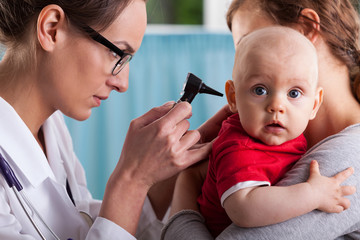
A child neurologist, or pediatric neurologist, is a doctor who treats children who have problems with their nervous system. Problems in the nervous system can start in the brain, spine, nerves, or muscles. These can lead to problems such as seizures, headaches, or developmental delays.

Child neurologists treat children from birth into young adulthood. They choose to make the care of children the core of their medical practice, and their advanced training and experience equip them to meet your child’s unique needs. Children are not young adults; hence their neurological condition needs to be managed by a pediatric neurologist, not an adult neurologist.

2. What training do child neurologists have?

Four years of medical school (Dr Iyer completed MBBS from BJ Medical College, Ahmedabad)

3 years of general pediatrics residency (Dr Iyer completed MD Pediatrics from BJ Medical College, Ahmedabad)

Three years of residency training in child neurology, and 6 months of training in adult neurology, 3 months in child psychiatry (Dr Iyer completed this from Glasgow, Birmingham and Liverpool, UK)

Some child neurologists complete an additional 1-2 years of training called a fellowship, where they learn a sub-specialty within neurology, such as epilepsy, neuromuscular disease, or genetics (Dr Iyer completed complex epilepsy and epilepsy surgery fellowship from SickKids Hospital, Toronto, Canada)

3. What types of services do child neurologists provide?

Child neurologists often diagnose, treat, and manage the following conditions:

Seizures and epilepsy

Muscle problems which may cause weakness, such as muscular dystrophy or neuropathy

Headaches, including migraines and concussions

Behavioral disorders, including attention-deficit/hyperactivity disorder (ADHD), tics and Tourette Syndrome, and sleep problems

Autism

Developmental disorders, including cerebral palsy, delayed speech, delayed motor milestones, and coordination issues

Intellectual disability

Congenital malformations, which are problems in how the brain forms or develops

Stroke and traumatic brain injury (TBI)

Genetic conditions that affect the nervous system

Autoimmune problems that impact the brain and spinal cord (such as multiple sclerosis)

Infections or inflammation of the brain (such as meningitis or encephalitis)

Brain tumors

4. What types of tests do child neurologists order?

Child neurologists often make a diagnosis by hearing about your child’s symptoms, their medical history, and physical exam, but at times, more tests are necessary to make or support a diagnosis.

Common tests that child neurologists order include:

EEG (electroencephalogram) is a test that looks for problems with the electrical activity in your brain. This test can be used to look for seizures, and to make sure your child’s brain is making the expected types of electrical activity for their age.

MRI (magnetic resonance imaging) or CT scan are types of imaging tests used to take pictures of the brain and/or spine. These can look for signs of brain tumor, stroke, infection, multiple sclerosis, certain genetic conditions, and more.

Lumbar puncture (spinal tap) is a test where doctors insert a small needle in the lower back to take a sample of spinal fluid, which surrounds your brain and spinal cord. This can help look for signs of infection or inflammation, and also check various chemicals in the fluid.

Blood tests may be ordered for your child. These may include basic tests checking for electrolyte changes or signs of infection, or more complicated testing such as genetic tests for specific disorders.

5. Where can I find a child neurologist?

Child neurologists’ practice in many different medical settings. They may work in hospitals or private practices.

CONTACT INFORMATION

405, Akshar Complex, Shivranjani Cross roads, Satellite,Ahmedabad, 380015.

Phone : +91 93285 03112

Email : drasiyer@gmail.com

Website : www.neurokids.in

View Link : https://neurokids.in/pediatric-neurologist-in-ahmedabad/
child neurologist in Ahmedabad

Pediatric Neurologist

1. Who is a pediatric (child) neurologist?

A child neurologist, or pediatric neurologist, is a doctor who treats children who have problems with their nervous system. Problems in the nervous system can start in the brain, spine, nerves, or muscles. These can lead to problems such as seizures, headaches, or developmental delays.

Child neurologists treat children from birth into young adulthood. They choose to make the care of children the core of their medical practice, and their advanced training and experience equip them to meet your child’s unique needs. Children are not young adults; hence their neurological condition needs to be managed by a pediatric neurologist, not an adult neurologist.

2. What training do child neurologists have?

Four years of medical school (Dr Iyer completed MBBS from BJ Medical College, Ahmedabad)

3 years of general pediatrics residency (Dr Iyer completed MD Pediatrics from BJ Medical College, Ahmedabad)

Three years of residency training in child neurology, and 6 months of training in adult neurology, 3 months in child psychiatry (Dr Iyer completed this from Glasgow, Birmingham and Liverpool, UK)

Some child neurologists complete an additional 1-2 years of training called a fellowship, where they learn a sub-specialty within neurology, such as epilepsy, neuromuscular disease, or genetics (Dr Iyer completed complex epilepsy and epilepsy surgery fellowship from SickKids Hospital, Toronto, Canada)

3. What types of services do child neurologists provide?

Child neurologists often diagnose, treat, and manage the following conditions:

Seizures and epilepsy

Muscle problems which may cause weakness, such as muscular dystrophy or neuropathy

Headaches, including migraines and concussions

Behavioral disorders, including attention-deficit/hyperactivity disorder (ADHD), tics and Tourette Syndrome, and sleep problems

Autism

Developmental disorders, including cerebral palsy, delayed speech, delayed motor milestones, and coordination issues

Intellectual disability

Congenital malformations, which are problems in how the brain forms or develops

Stroke and traumatic brain injury (TBI)

Genetic conditions that affect the nervous system

Autoimmune problems that impact the brain and spinal cord (such as multiple sclerosis)

Infections or inflammation of the brain (such as meningitis or encephalitis)

Brain tumors

4. What types of tests do child neurologists order?

Child neurologists often make a diagnosis by hearing about your child’s symptoms, their medical history, and physical exam, but at times, more tests are necessary to make or support a diagnosis.

Common tests that child neurologists order include:

EEG (electroencephalogram) is a test that looks for problems with the electrical activity in your brain. This test can be used to look for seizures, and to make sure your child’s brain is making the expected types of electrical activity for their age.

MRI (magnetic resonance imaging) or CT scan are types of imaging tests used to take pictures of the brain and/or spine. These can look for signs of brain tumor, stroke, infection, multiple sclerosis, certain genetic conditions, and more.

Lumbar puncture (spinal tap) is a test where doctors insert a small needle in the lower back to take a sample of spinal fluid, which surrounds your brain and spinal cord. This can help look for signs of infection or inflammation, and also check various chemicals in the fluid.

Blood tests may be ordered for your child. These may include basic tests checking for electrolyte changes or signs of infection, or more complicated testing such as genetic tests for specific disorders.

5. Where can I find a child neurologist?

Child neurologists’ practice in many different medical settings. They may work in hospitals or private practices.

CONTACT INFORMATION

405, Akshar Complex, Shivranjani Cross roads, Satellite,Ahmedabad, 380015.

Phone : +91 93285 03112

Email : drasiyer@gmail.com

Website : www.neurokids.in

View Link : https://neurokids.in/pediatric-neurologist-in-ahmedabad/
best neurologist in Gujarat

Pediatric Neurologist

1. Who is a pediatric (child) neurologist?

A child neurologist, or pediatric neurologist, is a doctor who treats children who have problems with their nervous system. Problems in the nervous system can start in the brain, spine, nerves, or muscles. These can lead to problems such as seizures, headaches, or developmental delays.

Child neurologists treat children from birth into young adulthood. They choose to make the care of children the core of their medical practice, and their advanced training and experience equip them to meet your child’s unique needs. Children are not young adults; hence their neurological condition needs to be managed by a pediatric neurologist, not an adult neurologist.

2. What training do child neurologists have?

Four years of medical school (Dr Iyer completed MBBS from BJ Medical College, Ahmedabad)

3 years of general pediatrics residency (Dr Iyer completed MD Pediatrics from BJ Medical College, Ahmedabad)

Three years of residency training in child neurology, and 6 months of training in adult neurology, 3 months in child psychiatry (Dr Iyer completed this from Glasgow, Birmingham and Liverpool, UK)

Some child neurologists complete an additional 1-2 years of training called a fellowship, where they learn a sub-specialty within neurology, such as epilepsy, neuromuscular disease, or genetics (Dr Iyer completed complex epilepsy and epilepsy surgery fellowship from SickKids Hospital, Toronto, Canada)

3. What types of services do child neurologists provide?

Child neurologists often diagnose, treat, and manage the following conditions:

Seizures and epilepsy

Muscle problems which may cause weakness, such as muscular dystrophy or neuropathy

Headaches, including migraines and concussions

Behavioral disorders, including attention-deficit/hyperactivity disorder (ADHD), tics and Tourette Syndrome, and sleep problems

Autism

Developmental disorders, including cerebral palsy, delayed speech, delayed motor milestones, and coordination issues

Intellectual disability

Congenital malformations, which are problems in how the brain forms or develops

Stroke and traumatic brain injury (TBI)

Genetic conditions that affect the nervous system

Autoimmune problems that impact the brain and spinal cord (such as multiple sclerosis)

Infections or inflammation of the brain (such as meningitis or encephalitis)

Brain tumors

4. What types of tests do child neurologists order?

Child neurologists often make a diagnosis by hearing about your child’s symptoms, their medical history, and physical exam, but at times, more tests are necessary to make or support a diagnosis.

Common tests that child neurologists order include:

EEG (electroencephalogram) is a test that looks for problems with the electrical activity in your brain. This test can be used to look for seizures, and to make sure your child’s brain is making the expected types of electrical activity for their age.

MRI (magnetic resonance imaging) or CT scan are types of imaging tests used to take pictures of the brain and/or spine. These can look for signs of brain tumor, stroke, infection, multiple sclerosis, certain genetic conditions, and more.

Lumbar puncture (spinal tap) is a test where doctors insert a small needle in the lower back to take a sample of spinal fluid, which surrounds your brain and spinal cord. This can help look for signs of infection or inflammation, and also check various chemicals in the fluid.

Blood tests may be ordered for your child. These may include basic tests checking for electrolyte changes or signs of infection, or more complicated testing such as genetic tests for specific disorders.

5. Where can I find a child neurologist?

Child neurologists’ practice in many different medical settings. They may work in hospitals or private practices.

CONTACT INFORMATION

405, Akshar Complex, Shivranjani Cross roads, Satellite,Ahmedabad, 380015.

Phone : +91 93285 03112

Email : drasiyer@gmail.com

Website : www.neurokids.in

View Link : https://neurokids.in/pediatric-neurologist-in-ahmedabad/
Qualified Paediatric Neurologist in Gujarat

Pediatric Neurologist

1. Who is a pediatric (child) neurologist?

A child neurologist, or pediatric neurologist, is a doctor who treats children who have problems with their nervous system. Problems in the nervous system can start in the brain, spine, nerves, or muscles. These can lead to problems such as seizures, headaches, or developmental delays.

Child neurologists treat children from birth into young adulthood. They choose to make the care of children the core of their medical practice, and their advanced training and experience equip them to meet your child’s unique needs. Children are not young adults; hence their neurological condition needs to be managed by a pediatric neurologist, not an adult neurologist.

2. What training do child neurologists have?

Four years of medical school (Dr Iyer completed MBBS from BJ Medical College, Ahmedabad)

3 years of general pediatrics residency (Dr Iyer completed MD Pediatrics from BJ Medical College, Ahmedabad)

Three years of residency training in child neurology, and 6 months of training in adult neurology, 3 months in child psychiatry (Dr Iyer completed this from Glasgow, Birmingham and Liverpool, UK)

Some child neurologists complete an additional 1-2 years of training called a fellowship, where they learn a sub-specialty within neurology, such as epilepsy, neuromuscular disease, or genetics (Dr Iyer completed complex epilepsy and epilepsy surgery fellowship from SickKids Hospital, Toronto, Canada)

3. What types of services do child neurologists provide?

Child neurologists often diagnose, treat, and manage the following conditions:

Seizures and epilepsy

Muscle problems which may cause weakness, such as muscular dystrophy or neuropathy

Headaches, including migraines and concussions

Behavioral disorders, including attention-deficit/hyperactivity disorder (ADHD), tics and Tourette Syndrome, and sleep problems

Autism

Developmental disorders, including cerebral palsy, delayed speech, delayed motor milestones, and coordination issues

Intellectual disability

Congenital malformations, which are problems in how the brain forms or develops

Stroke and traumatic brain injury (TBI)

Genetic conditions that affect the nervous system

Autoimmune problems that impact the brain and spinal cord (such as multiple sclerosis)

Infections or inflammation of the brain (such as meningitis or encephalitis)

Brain tumors

4. What types of tests do child neurologists order?

Child neurologists often make a diagnosis by hearing about your child’s symptoms, their medical history, and physical exam, but at times, more tests are necessary to make or support a diagnosis.

Common tests that child neurologists order include:

EEG (electroencephalogram) is a test that looks for problems with the electrical activity in your brain. This test can be used to look for seizures, and to make sure your child’s brain is making the expected types of electrical activity for their age.

MRI (magnetic resonance imaging) or CT scan are types of imaging tests used to take pictures of the brain and/or spine. These can look for signs of brain tumor, stroke, infection, multiple sclerosis, certain genetic conditions, and more.

Lumbar puncture (spinal tap) is a test where doctors insert a small needle in the lower back to take a sample of spinal fluid, which surrounds your brain and spinal cord. This can help look for signs of infection or inflammation, and also check various chemicals in the fluid.

Blood tests may be ordered for your child. These may include basic tests checking for electrolyte changes or signs of infection, or more complicated testing such as genetic tests for specific disorders.

5. Where can I find a child neurologist?

Child neurologists’ practice in many different medical settings. They may work in hospitals or private practices.

CONTACT INFORMATION

405, Akshar Complex, Shivranjani Cross roads, Satellite,Ahmedabad, 380015.

Phone : +91 93285 03112

Email : drasiyer@gmail.com

Website : www.neurokids.in

View Link : https://neurokids.in/pediatric-neurologist-in-ahmedabad/

Qualified Paediatric Neurologist in Ahmedabad

Pediatric Neurologist

1. Who is a pediatric (child) neurologist?

A child neurologist, or pediatric neurologist, is a doctor who treats children who have problems with their nervous system. Problems in the nervous system can start in the brain, spine, nerves, or muscles. These can lead to problems such as seizures, headaches, or developmental delays.

Child neurologists treat children from birth into young adulthood. They choose to make the care of children the core of their medical practice, and their advanced training and experience equip them to meet your child’s unique needs. Children are not young adults; hence their neurological condition needs to be managed by a pediatric neurologist, not an adult neurologist.

2. What training do child neurologists have?

Four years of medical school (Dr Iyer completed MBBS from BJ Medical College, Ahmedabad)

3 years of general pediatrics residency (Dr Iyer completed MD Pediatrics from BJ Medical College, Ahmedabad)

Three years of residency training in child neurology, and 6 months of training in adult neurology, 3 months in child psychiatry (Dr Iyer completed this from Glasgow, Birmingham and Liverpool, UK)

Some child neurologists complete an additional 1-2 years of training called a fellowship, where they learn a sub-specialty within neurology, such as epilepsy, neuromuscular disease, or genetics (Dr Iyer completed complex epilepsy and epilepsy surgery fellowship from SickKids Hospital, Toronto, Canada)

3. What types of services do child neurologists provide?

Child neurologists often diagnose, treat, and manage the following conditions:

Seizures and epilepsy

Muscle problems which may cause weakness, such as muscular dystrophy or neuropathy

Headaches, including migraines and concussions

Behavioral disorders, including attention-deficit/hyperactivity disorder (ADHD), tics and Tourette Syndrome, and sleep problems

Autism

Developmental disorders, including cerebral palsy, delayed speech, delayed motor milestones, and coordination issues

Intellectual disability

Congenital malformations, which are problems in how the brain forms or develops

Stroke and traumatic brain injury (TBI)

Genetic conditions that affect the nervous system

Autoimmune problems that impact the brain and spinal cord (such as multiple sclerosis)

Infections or inflammation of the brain (such as meningitis or encephalitis)

Brain tumors

4. What types of tests do child neurologists order?

Child neurologists often make a diagnosis by hearing about your child’s symptoms, their medical history, and physical exam, but at times, more tests are necessary to make or support a diagnosis.

Common tests that child neurologists order include:

EEG (electroencephalogram) is a test that looks for problems with the electrical activity in your brain. This test can be used to look for seizures, and to make sure your child’s brain is making the expected types of electrical activity for their age.

MRI (magnetic resonance imaging) or CT scan are types of imaging tests used to take pictures of the brain and/or spine. These can look for signs of brain tumor, stroke, infection, multiple sclerosis, certain genetic conditions, and more.

Lumbar puncture (spinal tap) is a test where doctors insert a small needle in the lower back to take a sample of spinal fluid, which surrounds your brain and spinal cord. This can help look for signs of infection or inflammation, and also check various chemicals in the fluid.

Blood tests may be ordered for your child. These may include basic tests checking for electrolyte changes or signs of infection, or more complicated testing such as genetic tests for specific disorders.

5. Where can I find a child neurologist?

Child neurologists’ practice in many different medical settings. They may work in hospitals or private practices.

CONTACT INFORMATION

405, Akshar Complex, Shivranjani Cross roads, Satellite,Ahmedabad, 380015.

Phone: +91 93285 03112

Email : drasiyer@gmail.com

Website : www.neurokids.in

View Link : https://neurokids.in/pediatric-neurologist-in-ahmedabad/
Pediatric neurologists in Ahmedabad

Pediatric Neurologist

1. Who is a pediatric (child) neurologist?

A child neurologist, or pediatric neurologist, is a doctor who treats children who have problems with their nervous system. Problems in the nervous system can start in the brain, spine, nerves, or muscles. These can lead to problems such as seizures, headaches, or developmental delays.

Child neurologists treat children from birth into young adulthood. They choose to make the care of children the core of their medical practice, and their advanced training and experience equip them to meet your child’s unique needs. Children are not young adults; hence their neurological condition needs to be managed by a pediatric neurologist, not an adult neurologist.

2. What training do child neurologists have?

Four years of medical school (Dr Iyer completed MBBS from BJ Medical College, Ahmedabad)

3 years of general pediatrics residency (Dr Iyer completed MD Pediatrics from BJ Medical College, Ahmedabad)

Three years of residency training in child neurology, and 6 months of training in adult neurology, 3 months in child psychiatry (Dr Iyer completed this from Glasgow, Birmingham and Liverpool, UK)

Some child neurologists complete an additional 1-2 years of training called a fellowship, where they learn a sub-specialty within neurology, such as epilepsy, neuromuscular disease, or genetics (Dr Iyer completed complex epilepsy and epilepsy surgery fellowship from SickKids Hospital, Toronto, Canada)

3. What types of services do child neurologists provide?

Child neurologists often diagnose, treat, and manage the following conditions:

Seizures and epilepsy

Muscle problems which may cause weakness, such as muscular dystrophy or neuropathy

Headaches, including migraines and concussions

Behavioral disorders, including attention-deficit/hyperactivity disorder (ADHD), tics and Tourette Syndrome, and sleep problems

Autism

Developmental disorders, including cerebral palsy, delayed speech, delayed motor milestones, and coordination issues

Intellectual disability

Congenital malformations, which are problems in how the brain forms or develops

Stroke and traumatic brain injury (TBI)

Genetic conditions that affect the nervous system

Autoimmune problems that impact the brain and spinal cord (such as multiple sclerosis)

Infections or inflammation of the brain (such as meningitis or encephalitis)

Brain tumors

4. What types of tests do child neurologists order?

Child neurologists often make a diagnosis by hearing about your child’s symptoms, their medical history, and physical exam, but at times, more tests are necessary to make or support a diagnosis.

Common tests that child neurologists order include:

EEG (electroencephalogram) is a test that looks for problems with the electrical activity in your brain. This test can be used to look for seizures, and to make sure your child’s brain is making the expected types of electrical activity for their age.

MRI (magnetic resonance imaging) or CT scan are types of imaging tests used to take pictures of the brain and/or spine. These can look for signs of brain tumor, stroke, infection, multiple sclerosis, certain genetic conditions, and more.

Lumbar puncture (spinal tap) is a test where doctors insert a small needle in the lower back to take a sample of spinal fluid, which surrounds your brain and spinal cord. This can help look for signs of infection or inflammation, and also check various chemicals in the fluid.

Blood tests may be ordered for your child. These may include basic tests checking for electrolyte changes or signs of infection, or more complicated testing such as genetic tests for specific disorders.

5. Where can I find a child neurologist?

Child neurologists’ practice in many different medical settings. They may work in hospitals or private practices.

CONTACT INFORMATION

405, Akshar Complex, Shivranjani Cross roads, Satellite,Ahmedabad, 380015.

Phone : +91 93285 03112

Email : drasiyer@gmail.com

Website : www.neurokids.in

View Link : https://neurokids.in/pediatric-neurologist-in-ahmedabad/

Neurologist in Ahmadabad

Pediatric Neurologist

1. Who is a pediatric (child) neurologist?

A child neurologist, or pediatric neurologist, is a doctor who treats children who have problems with their nervous system. Problems in the nervous system can start in the brain, spine, nerves, or muscles. These can lead to problems such as seizures, headaches, or developmental delays.

Child neurologists treat children from birth into young adulthood. They choose to make the care of children the core of their medical practice, and their advanced training and experience equip them to meet your child’s unique needs. Children are not young adults; hence their neurological condition needs to be managed by a pediatric neurologist, not an adult neurologist.

2. What training do child neurologists have?

Four years of medical school (Dr Iyer completed MBBS from BJ Medical College, Ahmedabad)

3 years of general pediatrics residency (Dr Iyer completed MD Pediatrics from BJ Medical College, Ahmedabad)

Three years of residency training in child neurology, and 6 months of training in adult neurology, 3 months in child psychiatry (Dr Iyer completed this from Glasgow, Birmingham and Liverpool, UK)

Some child neurologists complete an additional 1-2 years of training called a fellowship, where they learn a sub-specialty within neurology, such as epilepsy, neuromuscular disease, or genetics (Dr Iyer completed complex epilepsy and epilepsy surgery fellowship from SickKids Hospital, Toronto, Canada)

3. What types of services do child neurologists provide?

Child neurologists often diagnose, treat, and manage the following conditions:

Seizures and epilepsy

Muscle problems which may cause weakness, such as muscular dystrophy or neuropathy

Headaches, including migraines and concussions

Behavioral disorders, including attention-deficit/hyperactivity disorder (ADHD), tics and Tourette Syndrome, and sleep problems

Autism

Developmental disorders, including cerebral palsy, delayed speech, delayed motor milestones, and coordination issues

Intellectual disability

Congenital malformations, which are problems in how the brain forms or develops

Stroke and traumatic brain injury (TBI)

Genetic conditions that affect the nervous system

Autoimmune problems that impact the brain and spinal cord (such as multiple sclerosis)

Infections or inflammation of the brain (such as meningitis or encephalitis)

Brain tumors

4. What types of tests do child neurologists order?

Child neurologists often make a diagnosis by hearing about your child’s symptoms, their medical history, and physical exam, but at times, more tests are necessary to make or support a diagnosis.

Common tests that child neurologists order include:

EEG (electroencephalogram) is a test that looks for problems with the electrical activity in your brain. This test can be used to look for seizures, and to make sure your child’s brain is making the expected types of electrical activity for their age.

MRI (magnetic resonance imaging) or CT scan are types of imaging tests used to take pictures of the brain and/or spine. These can look for signs of brain tumor, stroke, infection, multiple sclerosis, certain genetic conditions, and more.

Lumbar puncture (spinal tap) is a test where doctors insert a small needle in the lower back to take a sample of spinal fluid, which surrounds your brain and spinal cord. This can help look for signs of infection or inflammation, and also check various chemicals in the fluid.

Blood tests may be ordered for your child. These may include basic tests checking for electrolyte changes or signs of infection, or more complicated testing such as genetic tests for specific disorders.

5. Where can I find a child neurologist?

Child neurologists’ practice in many different medical settings. They may work in hospitals or private practices.

CONTACT INFORMATION

405, Akshar Complex, Shivranjani Cross roads, Satellite,Ahmedabad, 380015.

Phone : +91 93285 03112

Email : drasiyer@gmail.com

Website : www.neurokids.in

View Link : https://neurokids.in/pediatric-neurologist-in-ahmedabad/

Neurologist in Ahmedabad

Pediatric Neurologist

1. Who is a pediatric (child) neurologist?

A child neurologist, or pediatric neurologist, is a doctor who treats children who have problems with their nervous system. Problems in the nervous system can start in the brain, spine, nerves, or muscles. These can lead to problems such as seizures, headaches, or developmental delays.

Child neurologists treat children from birth into young adulthood. They choose to make the care of children the core of their medical practice, and their advanced training and experience equip them to meet your child’s unique needs. Children are not young adults; hence their neurological condition needs to be managed by a pediatric neurologist, not an adult neurologist.

2. What training do child neurologists have?

Four years of medical school (Dr Iyer completed MBBS from BJ Medical College, Ahmedabad)

3 years of general pediatrics residency (Dr Iyer completed MD Pediatrics from BJ Medical College, Ahmedabad)

Three years of residency training in child neurology, and 6 months of training in adult neurology, 3 months in child psychiatry (Dr Iyer completed this from Glasgow, Birmingham and Liverpool, UK)

Some child neurologists complete an additional 1-2 years of training called a fellowship, where they learn a sub-specialty within neurology, such as epilepsy, neuromuscular disease, or genetics (Dr Iyer completed complex epilepsy and epilepsy surgery fellowship from SickKids Hospital, Toronto, Canada)

3. What types of services do child neurologists provide?

Child neurologists often diagnose, treat, and manage the following conditions:

Seizures and epilepsy

Muscle problems which may cause weakness, such as muscular dystrophy or neuropathy

Headaches, including migraines and concussions

Behavioral disorders, including attention-deficit/hyperactivity disorder (ADHD), tics and Tourette Syndrome, and sleep problems

Autism

Developmental disorders, including cerebral palsy, delayed speech, delayed motor milestones, and coordination issues

Intellectual disability

Congenital malformations, which are problems in how the brain forms or develops

Stroke and traumatic brain injury (TBI)

Genetic conditions that affect the nervous system

Autoimmune problems that impact the brain and spinal cord (such as multiple sclerosis)

Infections or inflammation of the brain (such as meningitis or encephalitis)

Brain tumors

4. What types of tests do child neurologists order?

Child neurologists often make a diagnosis by hearing about your child’s symptoms, their medical history, and physical exam, but at times, more tests are necessary to make or support a diagnosis.

Common tests that child neurologists order include:

EEG (electroencephalogram) is a test that looks for problems with the electrical activity in your brain. This test can be used to look for seizures, and to make sure your child’s brain is making the expected types of electrical activity for their age.

MRI (magnetic resonance imaging) or CT scan are types of imaging tests used to take pictures of the brain and/or spine. These can look for signs of brain tumor, stroke, infection, multiple sclerosis, certain genetic conditions, and more.

Lumbar puncture (spinal tap) is a test where doctors insert a small needle in the lower back to take a sample of spinal fluid, which surrounds your brain and spinal cord. This can help look for signs of infection or inflammation, and also check various chemicals in the fluid.

Blood tests may be ordered for your child. These may include basic tests checking for electrolyte changes or signs of infection, or more complicated testing such as genetic tests for specific disorders.

5. Where can I find a child neurologist?

Child neurologists’ practice in many different medical settings. They may work in hospitals or private practices.

CONTACT INFORMATION

405, Akshar Complex, Shivranjani Cross roads, Satellite,Ahmedabad, 380015.

Phone : +91 93285 03112

Email : drasiyer@gmail.com

Website : www.neurokids.in

View Link : https://neurokids.in/pediatric-neurologist-in-ahmedabad/

Introduce Yourself (Example Post)

This is an example post, originally published as part of Blogging University. Enroll in one of our ten programs, and start your blog right.

You’re going to publish a post today. Don’t worry about how your blog looks. Don’t worry if you haven’t given it a name yet, or you’re feeling overwhelmed. Just click the “New Post” button, and tell us why you’re here.

Why do this?

  • Because it gives new readers context. What are you about? Why should they read your blog?
  • Because it will help you focus you own ideas about your blog and what you’d like to do with it.

The post can be short or long, a personal intro to your life or a bloggy mission statement, a manifesto for the future or a simple outline of your the types of things you hope to publish.

To help you get started, here are a few questions:

  • Why are you blogging publicly, rather than keeping a personal journal?
  • What topics do you think you’ll write about?
  • Who would you love to connect with via your blog?
  • If you blog successfully throughout the next year, what would you hope to have accomplished?

You’re not locked into any of this; one of the wonderful things about blogs is how they constantly evolve as we learn, grow, and interact with one another — but it’s good to know where and why you started, and articulating your goals may just give you a few other post ideas.

Can’t think how to get started? Just write the first thing that pops into your head. Anne Lamott, author of a book on writing we love, says that you need to give yourself permission to write a “crappy first draft”. Anne makes a great point — just start writing, and worry about editing it later.

When you’re ready to publish, give your post three to five tags that describe your blog’s focus — writing, photography, fiction, parenting, food, cars, movies, sports, whatever. These tags will help others who care about your topics find you in the Reader. Make sure one of the tags is “zerotohero,” so other new bloggers can find you, too.

Design a site like this with WordPress.com
Get started