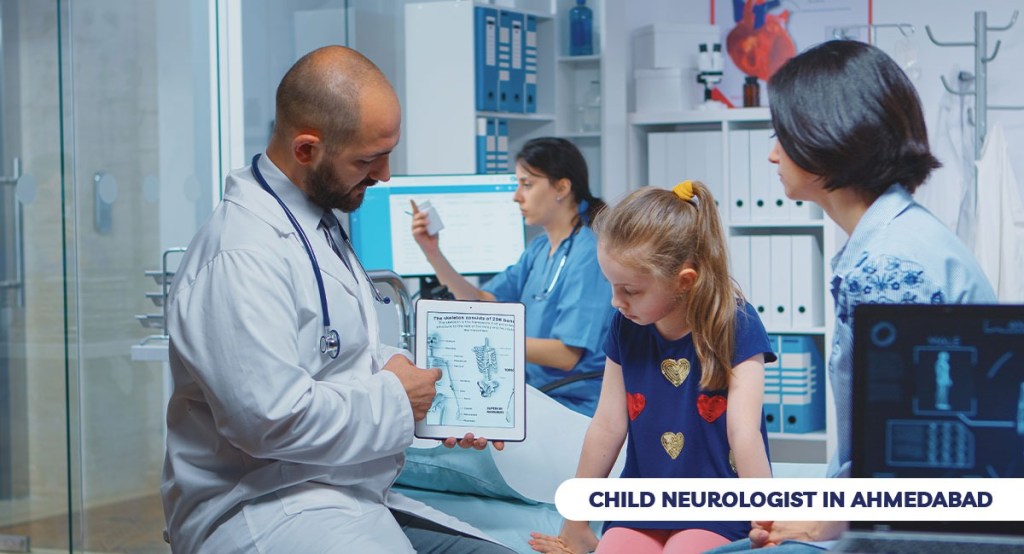
Are you seeking specialized care for your child’s neurological health in Ahmedabad? Look no further than Dr. Anand Iyer, a renowned Child Neurologist dedicated to providing comprehensive and compassionate care for children with neurological disorders. With expertise in pediatric neurology, Dr. Iyer offers personalized treatment plans tailored to each child’s unique needs, ensuring optimal outcomes and improved quality of life.
As a parent, you want the best for your child, especially when it comes to their health. Neurological conditions in children require delicate handling and specialized knowledge, and Dr. Anand Iyer brings years of experience and expertise to the table. Whether your child is dealing with epilepsy, developmental delays, ADHD, autism spectrum disorder, cerebral palsy, or any other neurological condition, Dr. Iyer is committed to providing expert diagnosis, management, and support every step of the way.
Dr. Iyer understands the challenges parents face when navigating the complexities of pediatric neurological disorders. That’s why he takes a holistic approach to care, considering not only the medical aspects but also the emotional and developmental needs of each child and their family. By fostering open communication and collaboration, Dr. Iyer builds trust and rapport with his patients and their families, creating a supportive environment where concerns are addressed and questions are answered.
At Neuro Kids, Dr. Anand Iyer’s practice, your child’s well-being is the top priority. From the moment you walk through the door, you can expect warmth, empathy, and professionalism from the entire team. With state-of-the-art facilities and advanced diagnostic tools, Dr. Iyer ensures accurate assessments and effective treatment plans tailored to your child’s specific condition and circumstances.
Choosing the right healthcare provider for your child is one of the most important decisions you’ll make as a parent. With Dr. Anand Iyer as your child neurologist in Ahmedabad, you can rest assured knowing that your child is in capable and caring hands. Schedule a consultation today and take the first step toward a brighter, healthier future for your child.
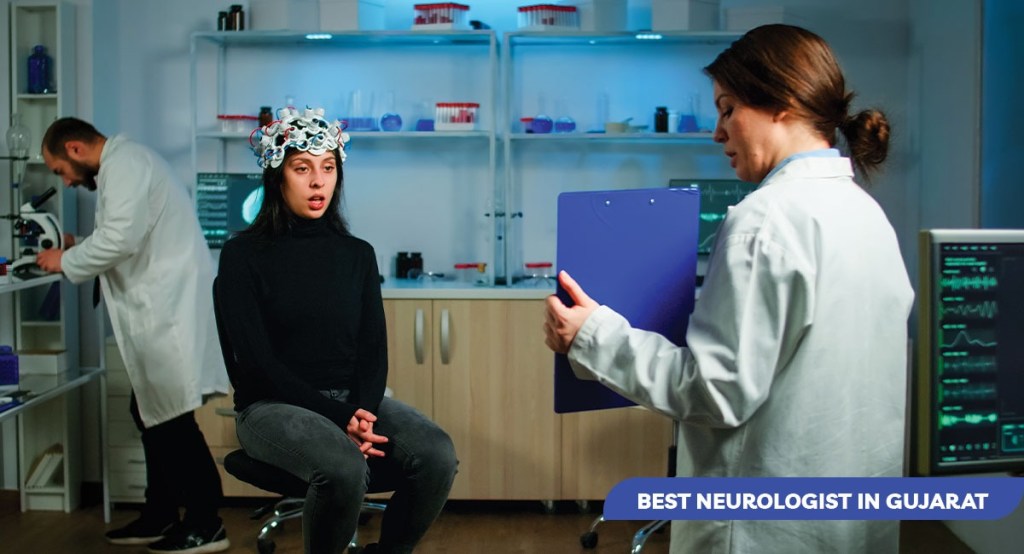
Are you seeking expert care for your child’s neurological health in Gujarat? Look no further than Dr. Anand Iyer at Neuro Kids, where compassionate care meets unparalleled expertise in pediatric neurology.
Dr. Anand Iyer is renowned as one of the best neurologists in Gujarat, with a focus on pediatric neurology. With years of experience and a dedication to improving the lives of children with neurological disorders, Dr. Iyer leads a team of skilled professionals at Neuro Kids.
What sets Neuro Kids apart is not only the medical proficiency but also the personalized approach to each child’s care. Dr. Anand Iyer understands that every young patient is unique, and tailors treatment plans to address their specific needs and concerns. Whether it’s epilepsy, developmental delays, cerebral palsy, or other neurological conditions, Dr. Iyer and his team provide comprehensive evaluations and innovative treatments to ensure the best possible outcomes.
At Neuro Kids, the emphasis is not just on treating symptoms but on empowering families with knowledge and support. Dr. Anand Iyer believes in open communication and works closely with parents to educate them about their child’s condition and involve them in decision-making every step of the way.
Moreover, Neuro Kids is equipped with state-of-the-art facilities and the latest advancements in pediatric neurology. From advanced diagnostic tools to cutting-edge therapies, families can rest assured that their child is receiving the highest standard of care available.
When it comes to your child’s neurological health, trust only the best. Choose Dr. Anand Iyer, the best Neurologist in Gujarat, and the expert team at Neuro Kids for compassionate, comprehensive, and cutting-edge care. Your child deserves nothing less.
Contact Neuro Kids today to schedule a consultation with Dr. Anand Iyer and take the first step towards a brighter, healthier future for your child.
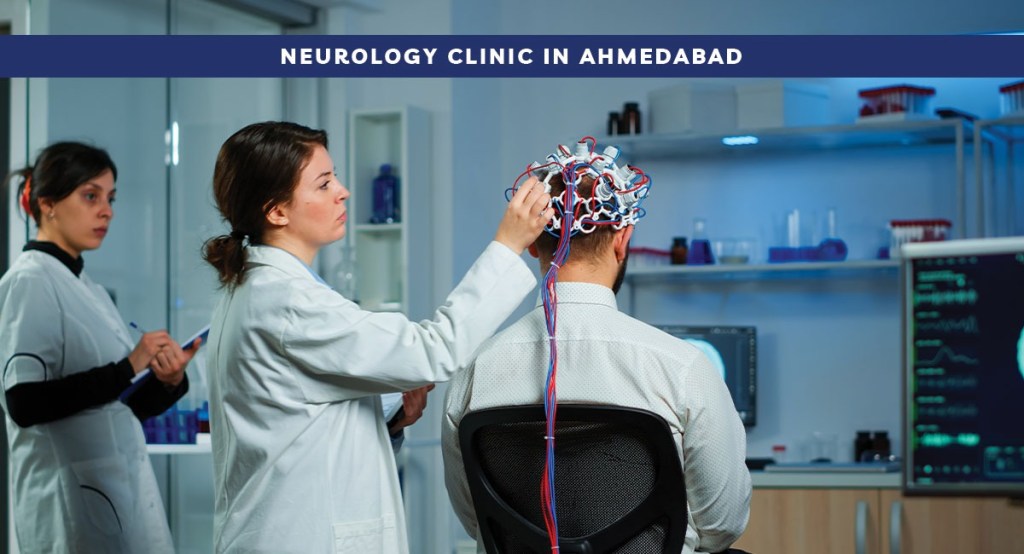
Are you seeking expert care for your child’s neurological well-being? Look no further than Neuro Kids, led by renowned pediatric neurologist Dr. Anand Iyer. Situated in the heart of Ahmedabad, Neuro Kids stands as a beacon of hope and healing for families navigating the complexities of pediatric neurology.
At Neuro Kids, we understand the unique challenges and concerns of neurological disorders in children. From developmental delays to epilepsy, ADHD to autism spectrum disorders, our dedicated team specializes in diagnosing and treating a wide range of neurological conditions affecting infants, children, and adolescents.
Dr. Anand Iyer, a distinguished figure in pediatric neurology, leads our clinic with unparalleled expertise and compassion. With years of experience and a commitment to excellence, Dr. Iyer and his team employ the latest advancements in diagnostic technology and treatment modalities to ensure the best possible outcomes for every young patient.
What sets Neuro Kids apart is our holistic approach to pediatric neurological care. We believe in treating the whole child, addressing not only the symptoms but also the underlying factors contributing to their condition. Our multidisciplinary team collaborates closely with parents, caregivers, and other healthcare professionals to develop personalized treatment plans tailored to each child’s unique needs.
Moreover, Neuro Kids, the Neurology Clinic in Ahmedabad is not just a clinic; it’s a supportive community where families can find solace, understanding, and empowerment. We strive to create a nurturing environment where children feel safe and valued, allowing them to thrive despite the challenges they may face.
Whether your child is experiencing developmental delays, seizures, learning difficulties, or behavioral concerns, Neuro Kids is here to provide comprehensive care and unwavering support every step of the way. Trust your child’s neurological health to the experts at Neuro Kids and embark on a journey toward a brighter, more promising future.
Contact Neuro Kids today to schedule a consultation with Dr. Anand Iyer and take the first step toward unlocking your child’s full potential. Together, we can make a difference in the lives of our youngest patients and empower them to reach new heights of success and happiness.
Neurology involves the accurate diagnosis of the underlying problem and then the management of that problem to reduce its impact on both quality and length of life.
EPILEPSY
Altered electrical firing on one area of the brain, responsible for epilepsy can produce a wide range of symptoms.
STROKE
A stroke occurs when the blood supply to part of your brain is interrupted or reduced, depriving brain tissue of oxygen and nutrients. Within minutes, brain cells begin to die. A stroke is a medical emergency
AUTISM
Autism is a lifelong, developmental disability that affects how a person communicates with and relates to other people, and how they experience the world around them.
OUR FACILITIES
Apart from thorough neurological consultation and examination, the following specialist investigations are available at NeuroKids with prior appointment only.
Epilepsy is a condition that affects the brain. When someone has epilepsy, it means they have a tendency to have epileptic seizures (fits).
Anyone can have a one-off seizure, but this doesn’t always mean they have epilepsy. Epilepsy is usually only diagnosed if a doctor thinks there’s a high chance that the person could have more seizures.
Epilepsy can start at any age and there are many different types. Some types of epilepsy last for a limited time and the person eventually stops having seizures. But for many people epilepsy is a life-long condition.
2. What are epileptic seizures?
Electrical activity is happening in our brain all the time, as the cells in the brain send messages to each other. A seizure happens when there is a sudden burst of intense electrical activity (similar to a ‘short- circuit’) in the brain. This causes a temporary disruption to the way the brain normally works, so the brain’s messages become mixed up. The result is an epileptic seizure.
There are many different types of seizure. What happens to someone during a seizure depends on which part of their brain is affected, and how far the seizure activity spreads. During some types of seizure the person may remain alert and aware of what’s going on around them, and with other types they may lose awareness. They may have unusual sensations, feelings or movements. Or they may go stiff, fall to the floor and jerk.
Your doctor will be able to help you better if you describe the seizure well, and in many cases a video- recording of the seizure is very helpful.
3. How common is epilepsy?
Epilepsy is one of the most common serious neurological conditions in the world. It affects around 600,000 people in India, and 30-40% of these are children.
4. What causes epilepsy?
Possible causes of epilepsy include:
Brain damage, for example damage caused by a stroke, head injury or infection
Brain tumours
Problems with the way the brain developed in the womb
Genetic factors
But in over half of all people with epilepsy, doctors can’t find a cause. It’s thought that our genes play a part in who does and who doesn’t develop epilepsy. This may explain why some people develop epilepsy with no clear cause. Researchers have found a number of genes linked to particular types of epilepsy.
5. How is epilepsy diagnosed?
The main way doctors diagnose epilepsy is by taking a detailed description of the seizures. They may also arrange for some tests to help give them more information about the possible type and cause of the epilepsy. This can also help rule out any other conditions that could be causing seizures. These tests can include blood tests, an EEG (recording of the brainwaves) and a brain scan. But there isn’t a single test that can prove if someone does or does not have epilepsy.
6. How is epilepsy treated?
The main treatment for epilepsy is epilepsy medicines. These are called anti-epileptic drugs or AEDs. The medicine doesn’t cure epilepsy, but helps to stop or reduce the number of seizures.
Many people find that their seizures stop with the first or second medicine they try. But some people need to try a few medicines before they find one that works well for them. And some people need to take 2 or more epilepsy medicines together.
If epilepsy medicine doesn’t work well for someone, their doctor might suggest other types of treatment. Other types of treatment include brain surgery (to remove the part of the brain causing the seizure), another type of surgery called vagus nerve stimulation, and a special diet called the ketogenic diet which is sometimes used for children.
7. How can I help someone having a seizure?
Try not to panic. In most cases the seizure stops within 5 minutes after which the patient usually goes to sleep. It is recommended that you don’t try and stop the seizures, or put anything in the mouth if there is frothing – these actions would make matters worse. As the seizure slows down and comes to an end, it is advisable to put the patient on to their side in the recovery position. If a relative has a nasal Midazolam spray, this can be given to stop the seizures. Calling an ambulance (108) and shifting to the nearest hospital is recommended.
8. What is living with epilepsy like?
Epilepsy affects everyone in different ways. From a child’s perspective, the parents are extremely worried about the future prognosis and safety of the child. It is recommended to not skip medications and consult with the pediatric neurologist regularly. Parents should also inform school and other areas where the child visits, so everyone is aware of the child’s condition and can contact the right people if the child has a seizure. Common sense advice like wearing a helmet while cycling and informing close supervision whilst swimming is important to avoid any mishaps. Safety during sleep should also be discussed.
Autism spectrum disorder (ASD) is a complex developmental condition that involves persistent challenges in social interaction, speech and nonverbal communication, and restricted/repetitive behaviors. The effects of ASD and the severity of symptoms are different in each person.
ASD is usually first diagnosed in childhood with many of the most-obvious signs presenting around 2-3 years old, but some children with autism develop normally until toddlerhood when they stop acquiring or lose previously gained skills. Approximately one in 59 children is estimated to have autism. Autism spectrum disorder is also three to four times more common in boys than in girls, and many girls with ASD exhibit less obvious signs compared to boys. Autism is a lifelong condition. However, many children diagnosed with ASD go on to live independent, productive, and fulfilling lives.
2. What are the characteristics of children with Autism Spectrum Disorders?
Autism differs from person to person in severity and combinations of symptoms. There is a great range of abilities and characteristics of children with autism spectrum disorder — no two children appear or behave the same way. Symptoms can range from mild to severe and often change over time.
Characteristics of autism spectrum disorder fall into two categories.
Social interaction and communication problems: including difficulties in normal back-and-forth conversation, reduced sharing of interests or emotions, challenges in understanding or responding to social cues such as eye contact and facial expressions, deficits in developing/maintaining/understanding relationships, and others.
Difficulty relating to people, things and events: including trouble making friends and interacting with people, difficulty reading facial expressions and not making eye contact.
Restricted and repetitive patterns of behaviors, interests or activities:
hand-flapping and toe-walking, playing with toys in an uncommon way (such as lining up cars or flipping objects), speaking in a unique way (such as using odd patterns or pitches in speaking or “scripting” from favorite shows), having significant need for a predictable routine or structure, exhibiting intense interests in activities that are uncommon for a similarly aged child, experiencing the sensory aspects of the world in an unusual or extreme way (such as indifference to pain/temperature, excessive smelling/touching of objects, fascination with lights and movement, being overwhelmed with loud noises, etc), and others.
Also, while many people with autism have normal intelligence, many others have mild or significant intellectual delays. Also, those with ASD are at greater risk for some medical conditions such as sleep problems, seizures and mental illnesses.
3. Diagnosis and Risk Factors
Early diagnosis and treatment are important to reducing the symptoms of autism and improving the quality of life for people with autism and their families. There is no medical test for autism. It is diagnosed based on observing how the child talks and acts in comparison to other children of the same age. Trained professionals typically diagnose autism by talking with the child and asking questions of parents and other caregivers.
If you have concerns that your infant or toddler is not developing normally, it is important to bring that concern to your pediatrician, who may then refer to a pediatric neurologist or a Neurodevelopmental pediatrician for further evaluation.
4. Are there any red-flags for parents to watch out for early?
Not responding to his/her name by 12 months of age
Not pointing at objects to show interest by 14 months
Not playing "pretend" games by 18 months
Avoiding eye contact or preferring to be alone
Getting upset by minor changes
Flapping their hands, rocking their body or spinning in circles
Having unusual and sometimes intense reactions to the way things smell, taste, feel
and/or look
If there is a strong concern that your child is showing possible signs of autism, then a diagnostic evaluation should be performed. This typically involves an interview and play-based testing with your child done by a psychologist, developmental-behavioral pediatrician, child psychiatrist or other providers.
5. What causes autism?
Scientists do not clearly understand what causes autism spectrum disorder. Several factors probably contribute to autism, including genes a child is born with or environmental factors. A child is at greater risk of autism if there is a family member with autism. Research has shown that it is not caused by bad parenting, and it is not caused by vaccines.
6. What can I do once my child has been diagnosed with autism?
Learn as much as possible about autism spectrum disorder
Provide consistent structure and routine
Connect with other parents of children with autism
Seek professional help for specific concerns
Take time for yourself and other family members
Having a child with autism affects the whole family. It can be stressful, time-consuming and expensive. Paying attention to the physical and emotional health of the whole family is important.
7. How is autism treated?
The mainstay of treatment is therapy by a team of professionals like Neurodevelopmental pediatrician, occupational therapists, psychologists and speech and language therapists. Some terminologies in treatment used are sensory integration therapy, oromotor therapy and applied behavioural analysis; these will be individually customized to suit your child’s needs. There is no single medication to treat this condition, and regular therapy is essential to see for improvement. Also, the aim of therapy is to make children settle in to a routine in life, for them to be able to make educational progress and for them to be able to live independently. Most parents are disappointed that their child is not like other children despite therapy, hence realistic goals and expectations and appropriate counseling right at the outset is important.
8. Are there any medicines for autism?
In some cases, if significant perceived hyperactivity or undue aggression prevents the child from accessing the therapy, then the pediatric neurologist will prescribe medications to help the behaviour to ensure on-going therapy. Despite the medications, the child may have some subtle behaviour problems related to specific situations – also called ‘melt-downs’, this needs to be managed by behaviour counseling. Good quality sleep is also important for learning and behaviour, and ensuring good sleep hygiene and in some cases a short course of medicines for sleep may also be recommended.
Headaches affect people of all ages – many adults remember having headaches as children. Headache in children can occur on its own (primary disorder) or as a result of another condition.
Primary headache disorders include migraine and tension type headache. The most common primary headache disorder is migraine without aura. The warning signs that sometimes come before the migraine, such as disturbed vision, strange taste or smells, or wobbliness, are referred to as an ‘aura’. Migraine without aura in children can be different to that in adults, in that they usually last for a shorter time and affect both sides of the head (bilateral).
Tension type headaches are the second most common primary headache disorder. These differ from migraines in that they last longer and happen more frequently than migraines but are less severe although they are often also bilateral.
Although rare, headaches can sometimes be caused by other conditions. Before a primary headache is diagnosed, clinical assessments and tests can rule out or confirm a secondary cause.
1. How common is headache in children and whom does it affect?
Up to 50 per cent of children aged seven years and up to 80 per cent of 15 year olds have experienced at least one headache. Before puberty, headache affects girls and boys in equal numbers, but after puberty about three times as many girls get headaches compared with boys.
2. What causes a headache or migraine?
The tendency to suffer from migraines is inherited. Someone else in a child’s family will suffer from them too. There can also be triggers. Some migraine sufferers can identify clear triggers. It is possible forthem to prevent attacks by avoiding these, but it is rarely so straightforward.
Some people experience dietary triggers where a migraine is initiated by eating a particular food. Dietary triggers are uncommon except for caffeine and alcohol. Doctors know that migraines are not caused by eye problems, other medical conditions, or having a particular type of personality.
It is much more usual for migraines to be brought on by lifestyle triggers. These can include stress, fatigue, missed meals, sleeping in and/or any disruption to sleep, and also spending too long on a computer. Unfortunately, these are all factors that are impossible to avoid completely.
For some people, the temperature of food (hot or cold) can trigger migraine.
3. How is headache diagnosed?
When a child with headache is seen by a doctor, he or she will have a thorough examination to try to work out what is causing it. The doctor will take a detailed medical history, asking about when the headaches started and which part of the head they affect. He or she will also ask about any other symptoms that occur at the same time, such as feeling sick, avoidance of light or seizures. A child’s past medical history is also important to try to identify any previous illnesses or current medical conditions that might trigger headache.
Other aspects of a child’s everyday life will be considered too, such as stress or problems at school or home. This will help in identify the triggers for headaches. If other people in the child’s family also have headaches or migraines this will also be discussed as some types of migraine can be passed on from generation to generation. The doctor will ask which headache treatments have been tried previously and to what degree they were helpful. The child’s physical condition will also be examined.
If a child’s medical history and physical examination do not raise any concerns, it is unlikely that further investigations will be needed.
4. What treatments are available?
Management of headache in children is multifaceted and involves a combination of approaches – making an accurate diagnosis, helping understand the condition, support at home and school, psychological help, identifying and avoiding triggers and medication.
Medication is of two types:
Reliever – to use in the acute attack during or at the beginning of a headache.
Preventive – taken every day to prevent them from occurring.
5. Medicines to treat the migraine and tension type headaches
Ibuprofen and paracetamol are both safe to use in children to treat headache, unless advised otherwise by your doctor or pharmacist. Both should be used according to the instructions on the bottle or packet.
Triptans are an alternative to regular pain relief such as ibuprofen and paracetamol. There are different triptans which are available in various formats, such as tablets, melts, nasal spray and injection. Triptans can cause tingling sensations, warm flushes or tightness.
6. Medicines to prevent migraine
Preventative treatment tends to be used if a child is getting regular and frequent migraine or headache which affects school attendance or daily life activities.
Preventive medications fall broadly in to four major categories of medications – antihistamines, anticonvulsants, beta blockers
Medication commonly used include cyproheptadine, propranalol, topiramate, amitriptyline and sodium valproate
Flunarizine is believed to be an effective form of prevention for migraines.
7. Non-medicine treatments
Psychological ways of managing headaches can be very helpful. Sessions can either be on a one-to-one basis with a psychologist or in a group. The child might be asked to keep a diary to identify any emerging patterns, which is the trigger for headache or migraine. Learning ways of coping with headache pain can be helpful, such as relaxation, stress management and guided imagery.
8. What is the outlook for children with headache?
More research is needed to find out in more detail about the long term. In the majority, improvement or complete end to migraines by late teenage years is the norm. Finding a way of coping with headache can greatly improve quality of life.
A child neurologist, or pediatric neurologist, is a doctor who treats children who have problems with their nervous system. Problems in the nervous system can start in the brain, spine, nerves, or muscles. These can lead to problems such as seizures, headaches, or developmental delays.
Child neurologists treat children from birth into young adulthood. They choose to make the care of children the core of their medical practice, and their advanced training and experience equip them to meet your child’s unique needs. Children are not young adults; hence their neurological condition needs to be managed by a pediatric neurologist, not an adult neurologist.
2. What training do child neurologists have?
Four years of medical school (Dr Iyer completed MBBS from BJ Medical College, Ahmedabad)
3 years of general pediatrics residency (Dr Iyer completed MD Pediatrics from BJ Medical College, Ahmedabad)
Three years of residency training in child neurology, and 6 months of training in adult neurology, 3 months in child psychiatry (Dr Iyer completed this from Glasgow, Birmingham and Liverpool, UK)
Some child neurologists complete an additional 1-2 years of training called a fellowship, where they learn a sub-specialty within neurology, such as epilepsy, neuromuscular disease, or genetics (Dr Iyer completed complex epilepsy and epilepsy surgery fellowship from SickKids Hospital, Toronto, Canada)
3. What types of services do child neurologists provide?
Child neurologists often diagnose, treat, and manage the following conditions:
Seizures and epilepsy
Muscle problems which may cause weakness, such as muscular dystrophy or neuropathy
Headaches, including migraines and concussions
Behavioral disorders, including attention-deficit/hyperactivity disorder (ADHD), tics and Tourette Syndrome, and sleep problems
Autism
Developmental disorders, including cerebral palsy, delayed speech, delayed motor milestones, and coordination issues
Intellectual disability
Congenital malformations, which are problems in how the brain forms or develops
Stroke and traumatic brain injury (TBI)
Genetic conditions that affect the nervous system
Autoimmune problems that impact the brain and spinal cord (such as multiple sclerosis)
Infections or inflammation of the brain (such as meningitis or encephalitis)
Brain tumors
4. What types of tests do child neurologists order?
Child neurologists often make a diagnosis by hearing about your child’s symptoms, their medical history, and physical exam, but at times, more tests are necessary to make or support a diagnosis.
Common tests that child neurologists order include:
EEG (electroencephalogram) is a test that looks for problems with the electrical activity in your brain. This test can be used to look for seizures, and to make sure your child’s brain is making the expected types of electrical activity for their age.
MRI (magnetic resonance imaging) or CT scan are types of imaging tests used to take pictures of the brain and/or spine. These can look for signs of brain tumor, stroke, infection, multiple sclerosis, certain genetic conditions, and more.
Lumbar puncture (spinal tap) is a test where doctors insert a small needle in the lower back to take a sample of spinal fluid, which surrounds your brain and spinal cord. This can help look for signs of infection or inflammation, and also check various chemicals in the fluid.
Blood tests may be ordered for your child. These may include basic tests checking for electrolyte changes or signs of infection, or more complicated testing such as genetic tests for specific disorders.
5. Where can I find a child neurologist?
Child neurologists’ practice in many different medical settings. They may work in hospitals or private practices.
A child neurologist, or pediatric neurologist, is a doctor who treats children who have problems with their nervous system. Problems in the nervous system can start in the brain, spine, nerves, or muscles. These can lead to problems such as seizures, headaches, or developmental delays.
Child neurologists treat children from birth into young adulthood. They choose to make the care of children the core of their medical practice, and their advanced training and experience equip them to meet your child’s unique needs. Children are not young adults; hence their neurological condition needs to be managed by a pediatric neurologist, not an adult neurologist.
2. What training do child neurologists have?
Four years of medical school (Dr Iyer completed MBBS from BJ Medical College, Ahmedabad)
3 years of general pediatrics residency (Dr Iyer completed MD Pediatrics from BJ Medical College, Ahmedabad)
Three years of residency training in child neurology, and 6 months of training in adult neurology, 3 months in child psychiatry (Dr Iyer completed this from Glasgow, Birmingham and Liverpool, UK)
Some child neurologists complete an additional 1-2 years of training called a fellowship, where they learn a sub-specialty within neurology, such as epilepsy, neuromuscular disease, or genetics (Dr Iyer completed complex epilepsy and epilepsy surgery fellowship from SickKids Hospital, Toronto, Canada)
3. What types of services do child neurologists provide?
Child neurologists often diagnose, treat, and manage the following conditions:
Seizures and epilepsy
Muscle problems which may cause weakness, such as muscular dystrophy or neuropathy
Headaches, including migraines and concussions
Behavioral disorders, including attention-deficit/hyperactivity disorder (ADHD), tics and Tourette Syndrome, and sleep problems
Autism
Developmental disorders, including cerebral palsy, delayed speech, delayed motor milestones, and coordination issues
Intellectual disability
Congenital malformations, which are problems in how the brain forms or develops
Stroke and traumatic brain injury (TBI)
Genetic conditions that affect the nervous system
Autoimmune problems that impact the brain and spinal cord (such as multiple sclerosis)
Infections or inflammation of the brain (such as meningitis or encephalitis)
Brain tumors
4. What types of tests do child neurologists order?
Child neurologists often make a diagnosis by hearing about your child’s symptoms, their medical history, and physical exam, but at times, more tests are necessary to make or support a diagnosis.
Common tests that child neurologists order include:
EEG (electroencephalogram) is a test that looks for problems with the electrical activity in your brain. This test can be used to look for seizures, and to make sure your child’s brain is making the expected types of electrical activity for their age.
MRI (magnetic resonance imaging) or CT scan are types of imaging tests used to take pictures of the brain and/or spine. These can look for signs of brain tumor, stroke, infection, multiple sclerosis, certain genetic conditions, and more.
Lumbar puncture (spinal tap) is a test where doctors insert a small needle in the lower back to take a sample of spinal fluid, which surrounds your brain and spinal cord. This can help look for signs of infection or inflammation, and also check various chemicals in the fluid.
Blood tests may be ordered for your child. These may include basic tests checking for electrolyte changes or signs of infection, or more complicated testing such as genetic tests for specific disorders.
5. Where can I find a child neurologist?
Child neurologists’ practice in many different medical settings. They may work in hospitals or private practices.
A child neurologist, or pediatric neurologist, is a doctor who treats children who have problems with their nervous system. Problems in the nervous system can start in the brain, spine, nerves, or muscles. These can lead to problems such as seizures, headaches, or developmental delays.
Child neurologists treat children from birth into young adulthood. They choose to make the care of children the core of their medical practice, and their advanced training and experience equip them to meet your child’s unique needs. Children are not young adults; hence their neurological condition needs to be managed by a pediatric neurologist, not an adult neurologist.
2. What training do child neurologists have?
Four years of medical school (Dr Iyer completed MBBS from BJ Medical College, Ahmedabad)
3 years of general pediatrics residency (Dr Iyer completed MD Pediatrics from BJ Medical College, Ahmedabad)
Three years of residency training in child neurology, and 6 months of training in adult neurology, 3 months in child psychiatry (Dr Iyer completed this from Glasgow, Birmingham and Liverpool, UK)
Some child neurologists complete an additional 1-2 years of training called a fellowship, where they learn a sub-specialty within neurology, such as epilepsy, neuromuscular disease, or genetics (Dr Iyer completed complex epilepsy and epilepsy surgery fellowship from SickKids Hospital, Toronto, Canada)
3. What types of services do child neurologists provide?
Child neurologists often diagnose, treat, and manage the following conditions:
Seizures and epilepsy
Muscle problems which may cause weakness, such as muscular dystrophy or neuropathy
Headaches, including migraines and concussions
Behavioral disorders, including attention-deficit/hyperactivity disorder (ADHD), tics and Tourette Syndrome, and sleep problems
Autism
Developmental disorders, including cerebral palsy, delayed speech, delayed motor milestones, and coordination issues
Intellectual disability
Congenital malformations, which are problems in how the brain forms or develops
Stroke and traumatic brain injury (TBI)
Genetic conditions that affect the nervous system
Autoimmune problems that impact the brain and spinal cord (such as multiple sclerosis)
Infections or inflammation of the brain (such as meningitis or encephalitis)
Brain tumors
4. What types of tests do child neurologists order?
Child neurologists often make a diagnosis by hearing about your child’s symptoms, their medical history, and physical exam, but at times, more tests are necessary to make or support a diagnosis.
Common tests that child neurologists order include:
EEG (electroencephalogram) is a test that looks for problems with the electrical activity in your brain. This test can be used to look for seizures, and to make sure your child’s brain is making the expected types of electrical activity for their age.
MRI (magnetic resonance imaging) or CT scan are types of imaging tests used to take pictures of the brain and/or spine. These can look for signs of brain tumor, stroke, infection, multiple sclerosis, certain genetic conditions, and more.
Lumbar puncture (spinal tap) is a test where doctors insert a small needle in the lower back to take a sample of spinal fluid, which surrounds your brain and spinal cord. This can help look for signs of infection or inflammation, and also check various chemicals in the fluid.
Blood tests may be ordered for your child. These may include basic tests checking for electrolyte changes or signs of infection, or more complicated testing such as genetic tests for specific disorders.
5. Where can I find a child neurologist?
Child neurologists’ practice in many different medical settings. They may work in hospitals or private practices.


 Neurokidsneurologist